

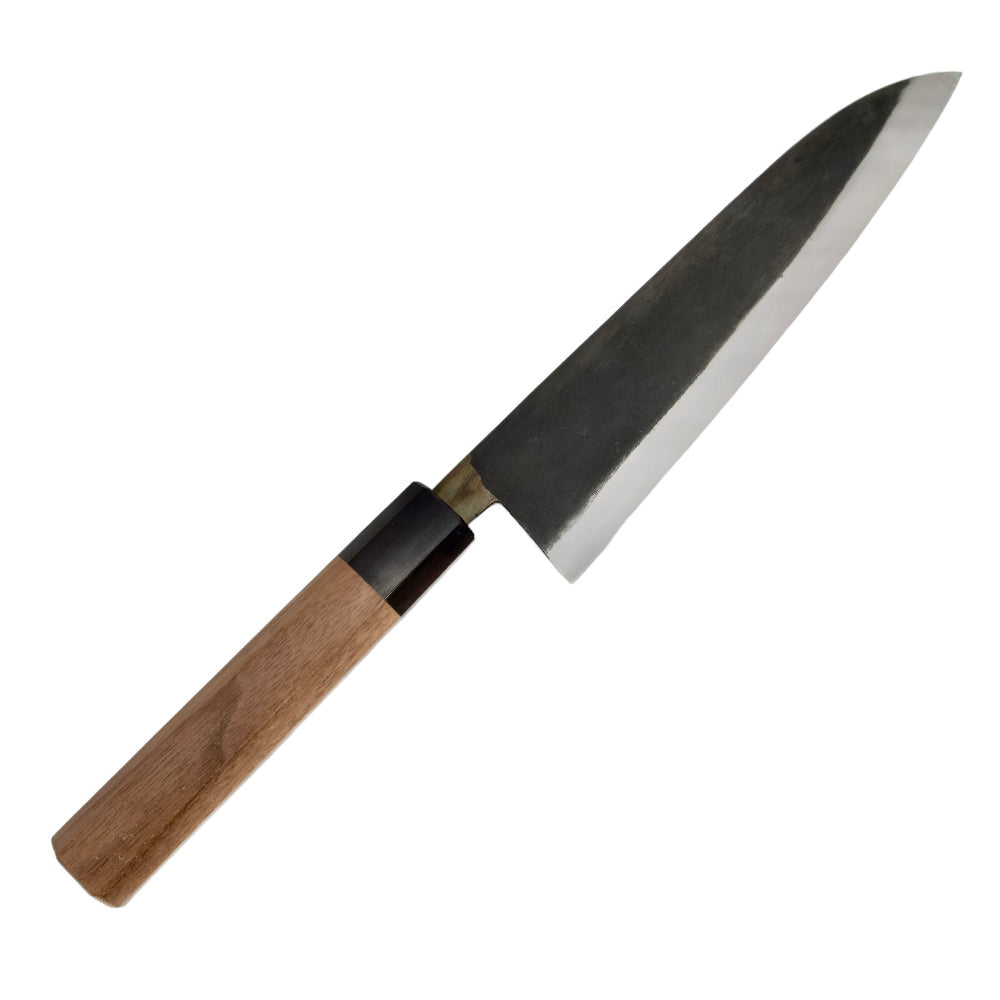
Moritaka Knives Aogami Super Gyuto 210mm
Sale price€259,00 EUR
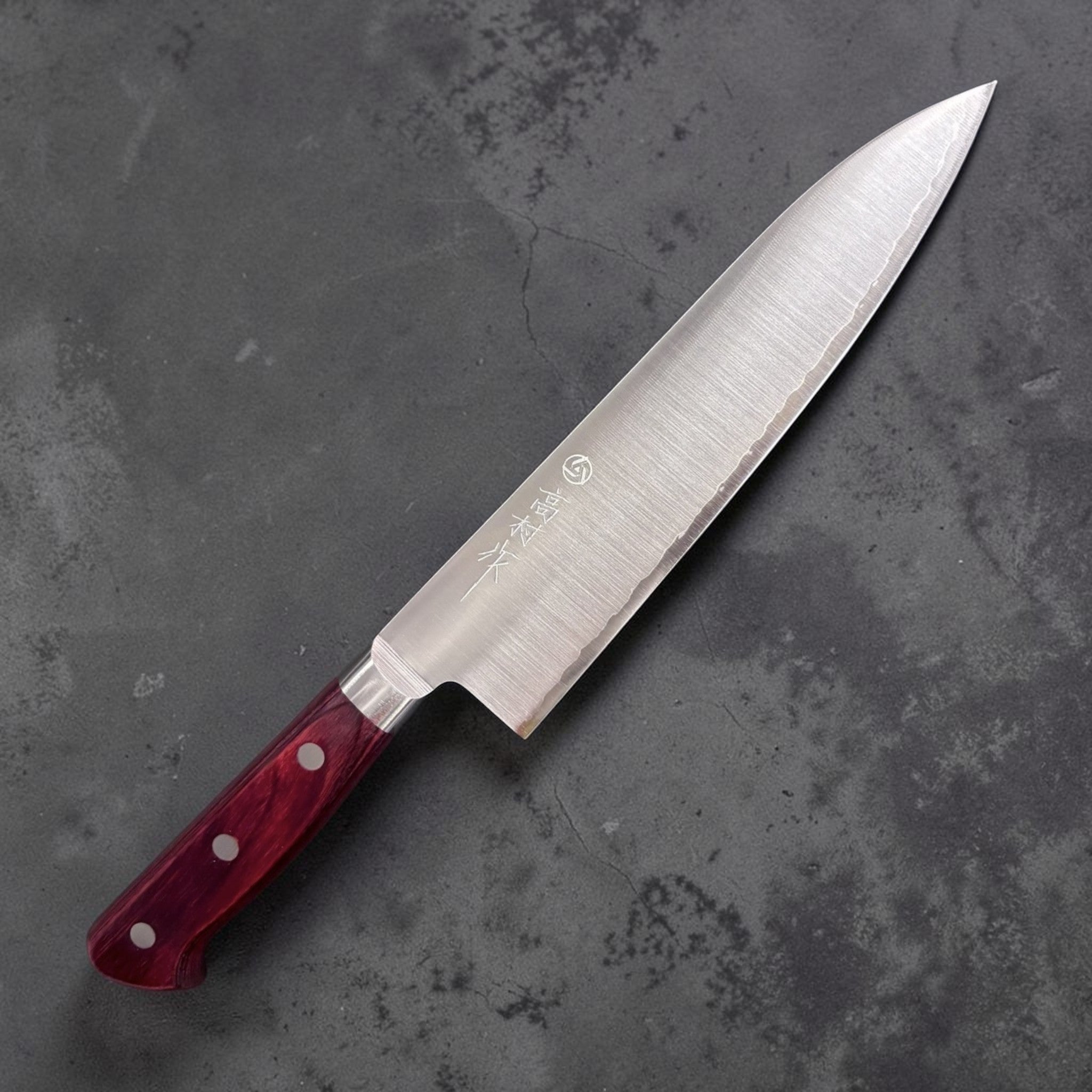
Takamura SG2 Migaki Gyuto 180mm
Sale price€199,00 EUR
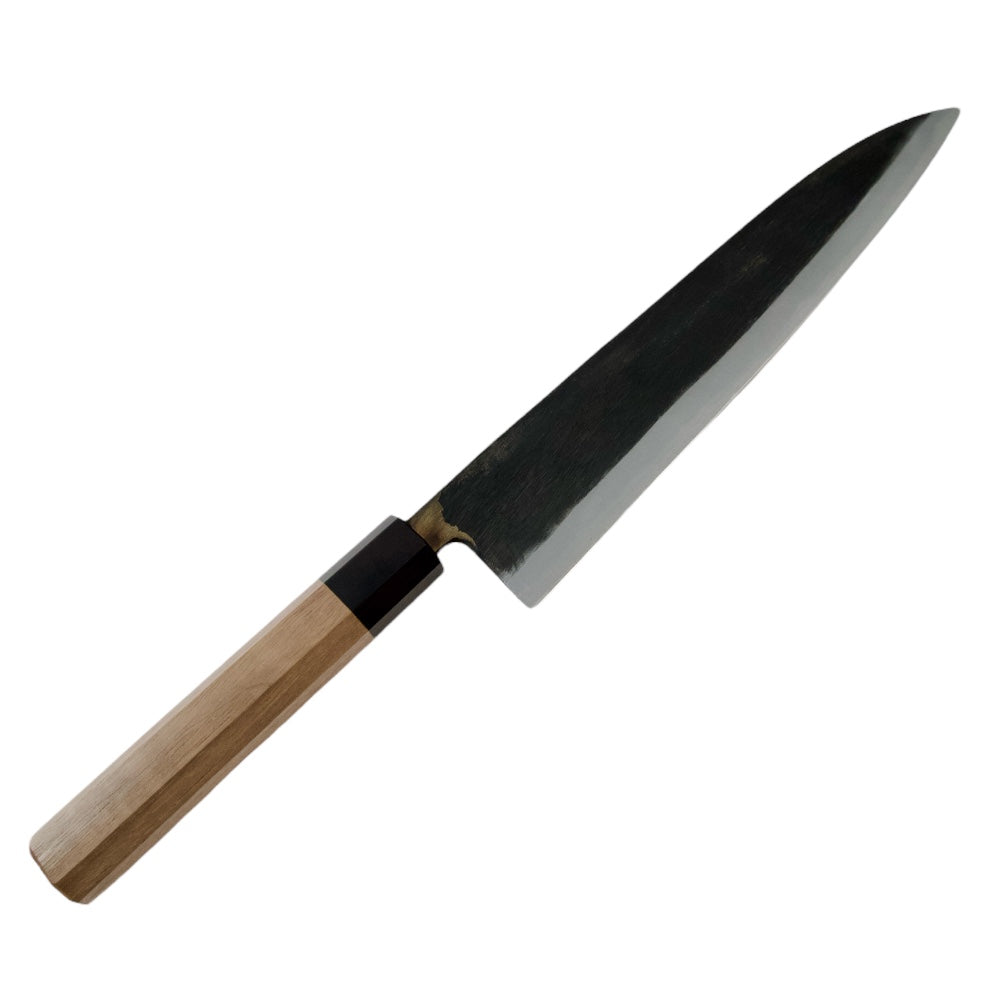
Moritaka Knives Aogami Super Gyuto 240mm
Sale price€269,00 EUR
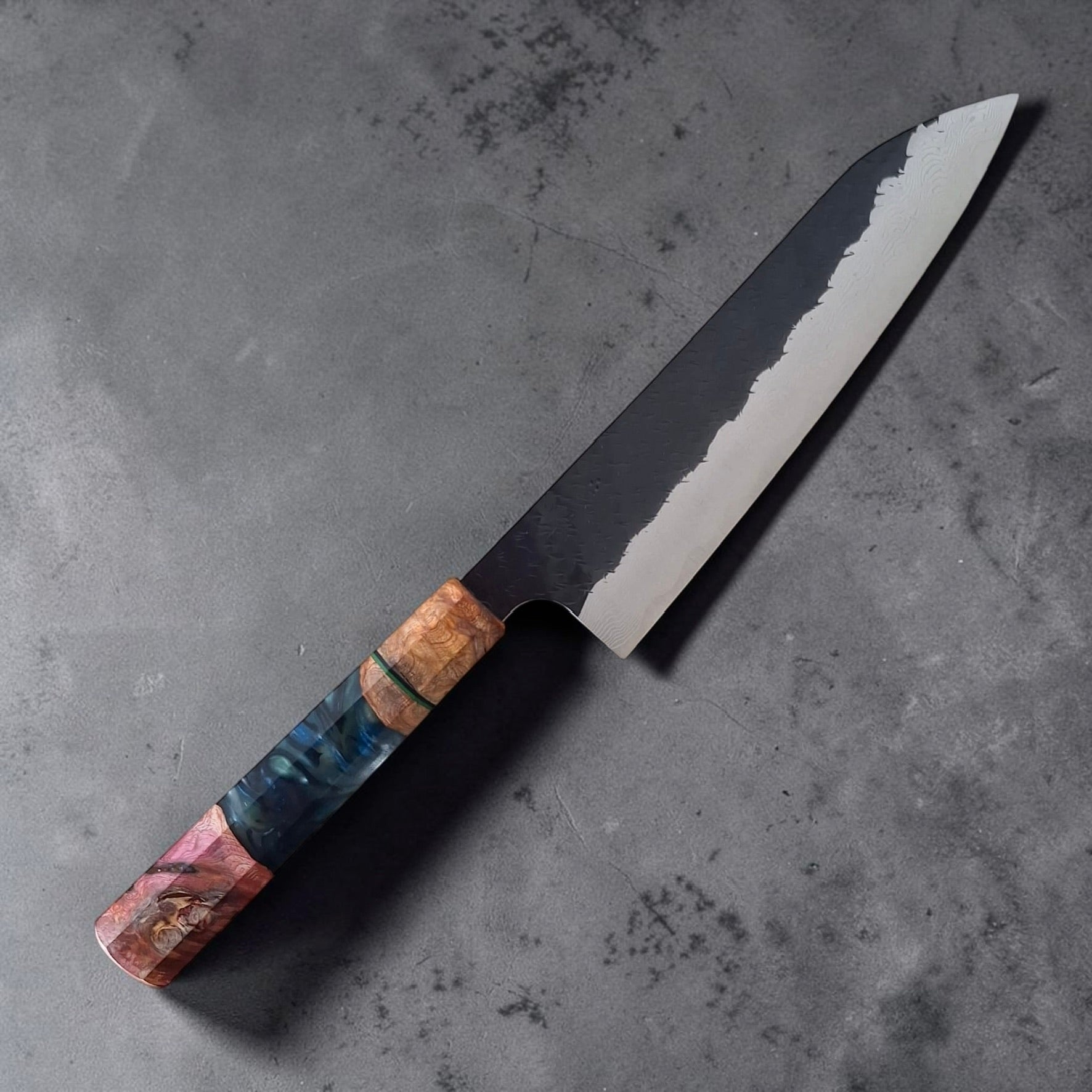
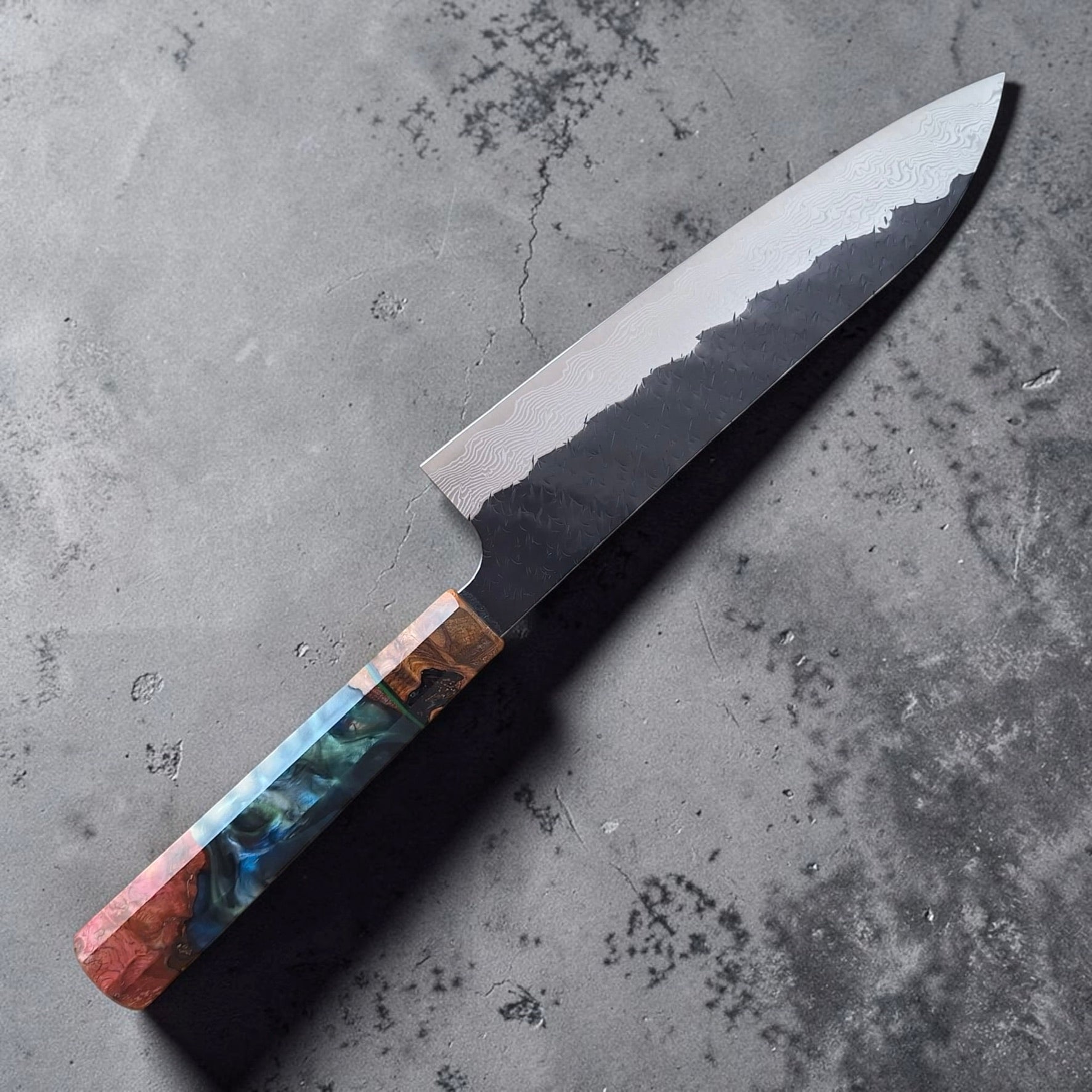
Nigara SG-STRIX Kurouchi Damascus Gyuto 210mm
Sale price€525,00 EUR
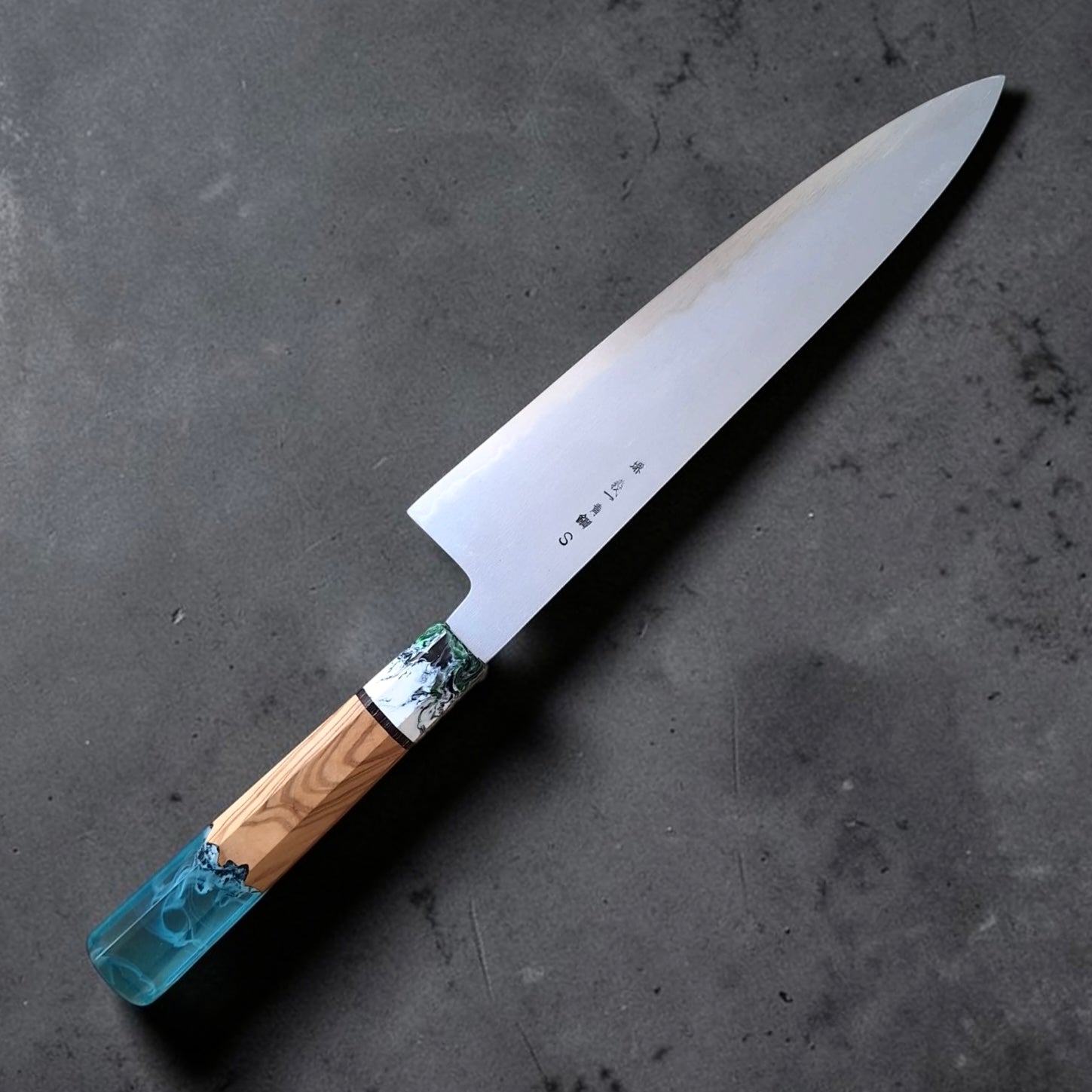
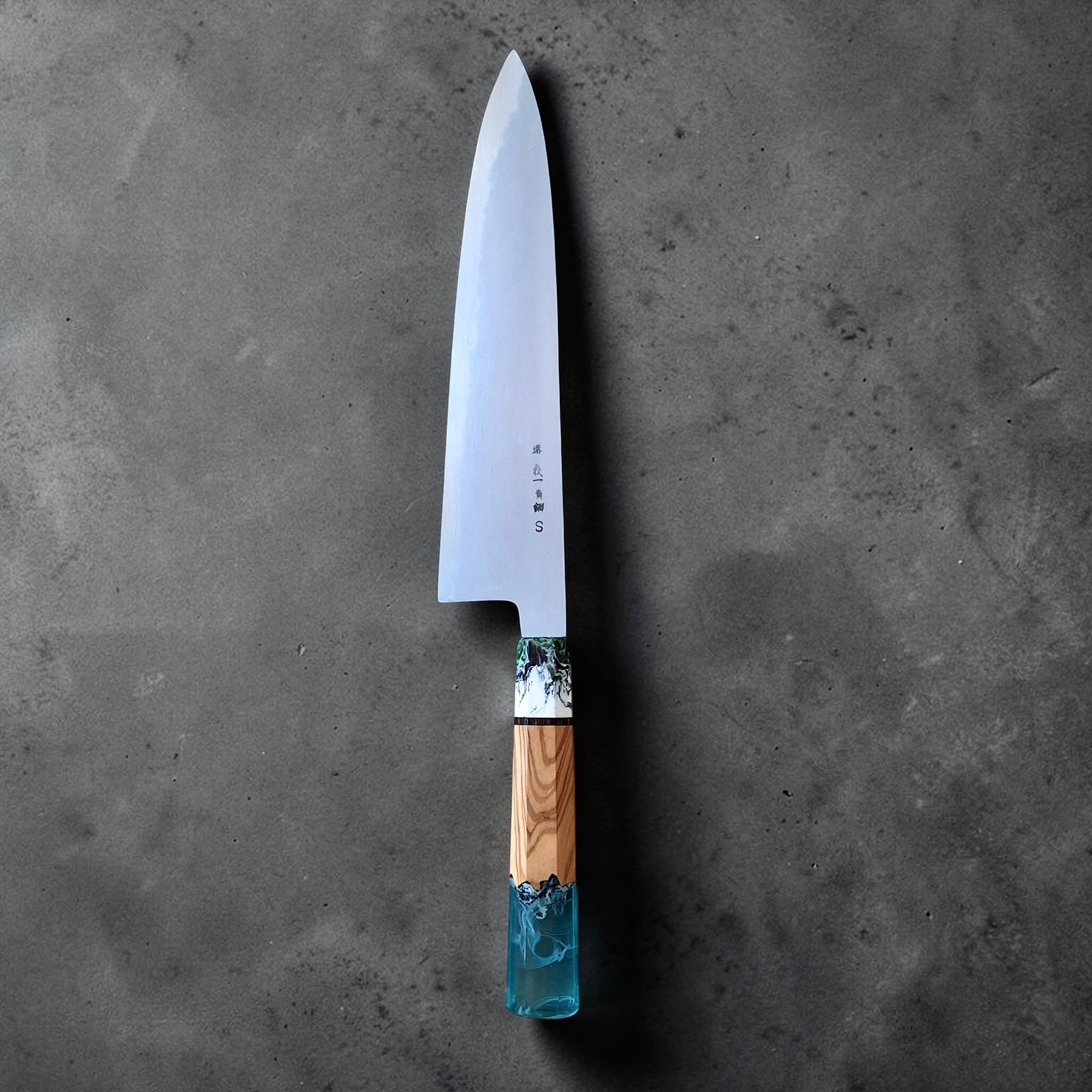
Yoshikazu Tanaka Aogami Super Kasumi Gyuto 255mm with Prisma Knife Handle
Sale price€795,00 EUR
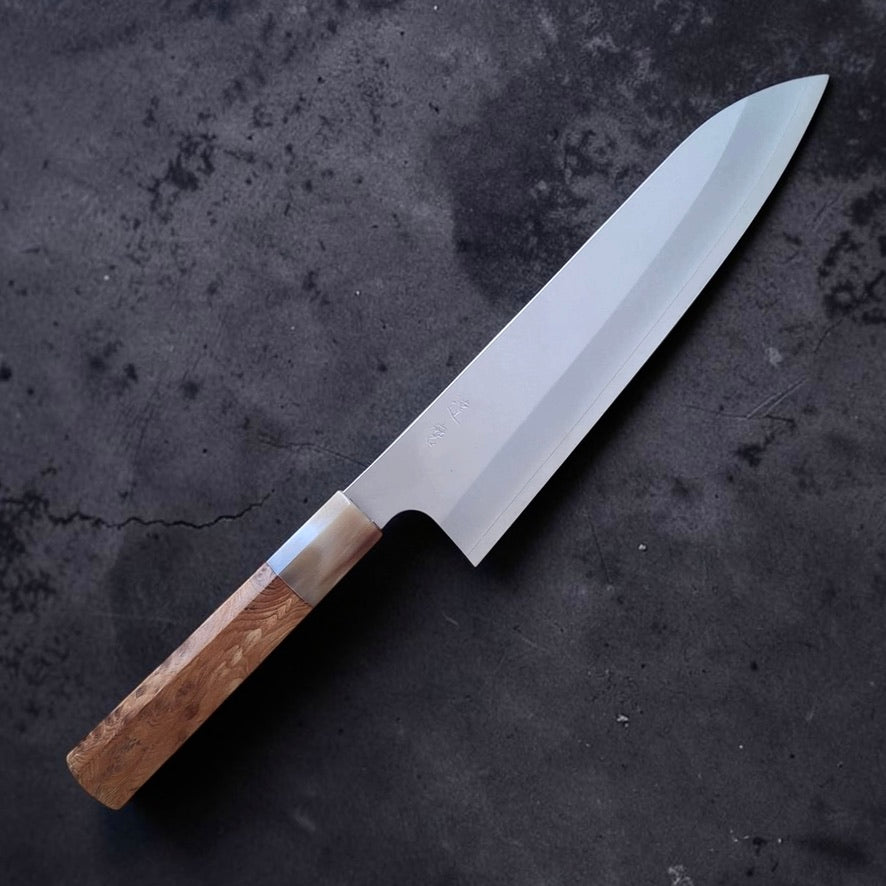
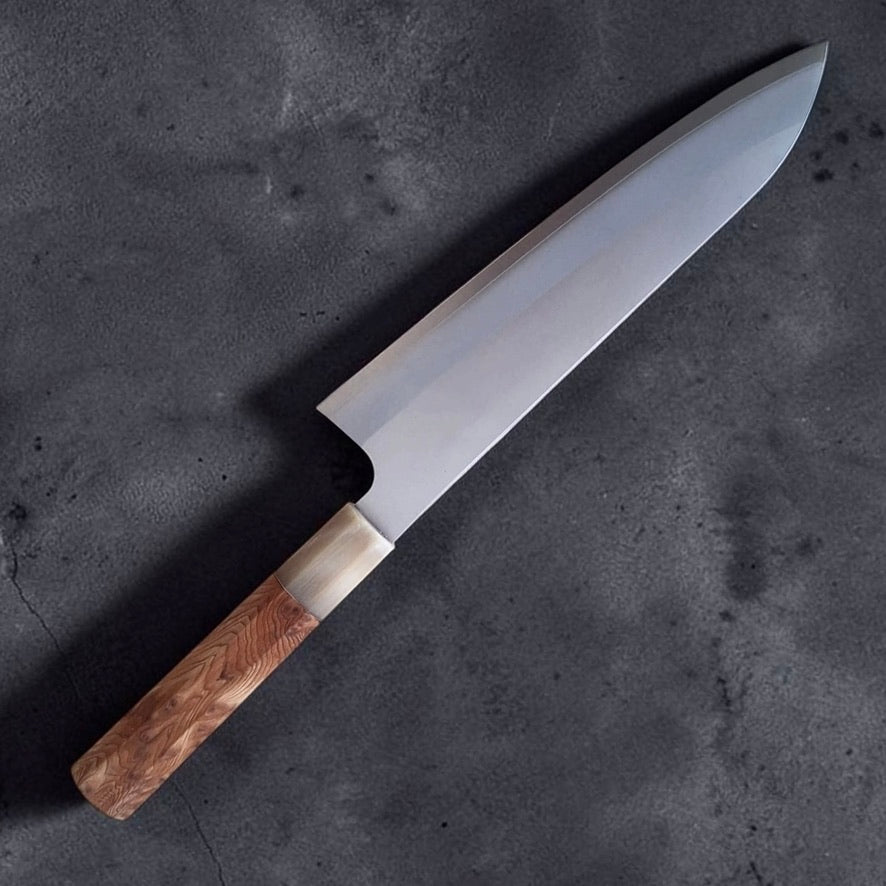
Daruma Hamono Ginsan #3 Migaki Gyuto 210mm
Sale price€329,00 EUR
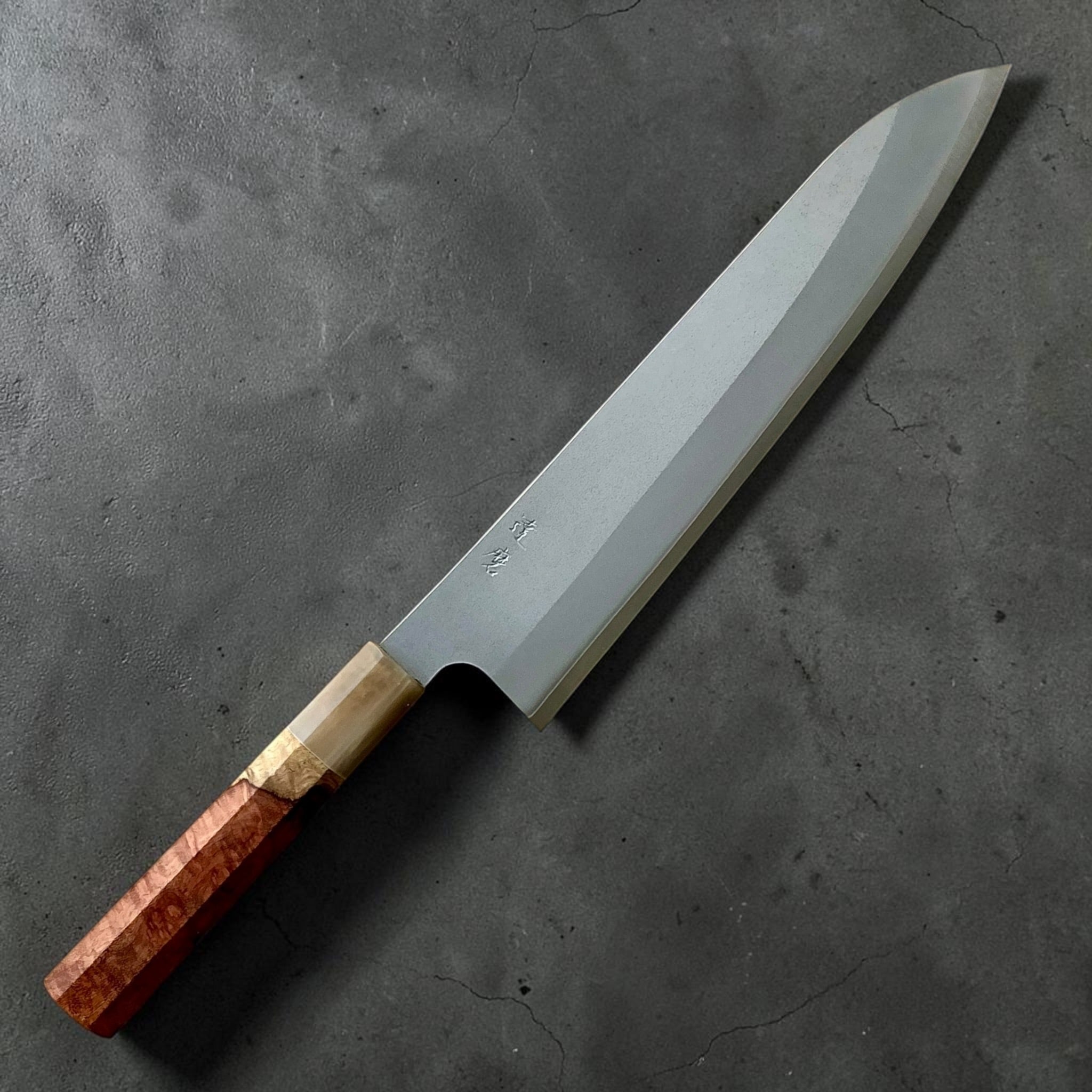
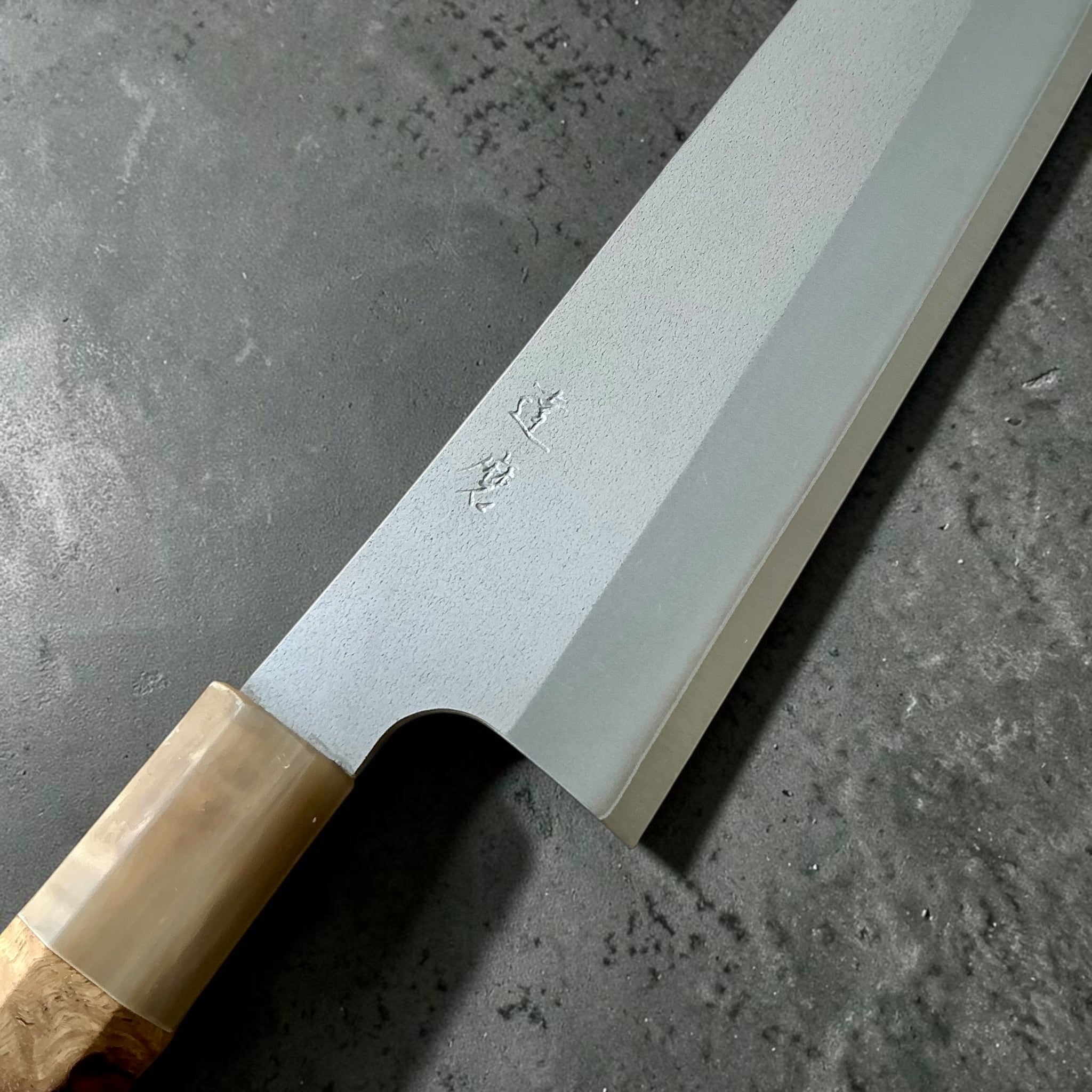
Daruma Hamono Ginsan #3 Migaki Gyuto 240mm
Sale price€349,00 EUR
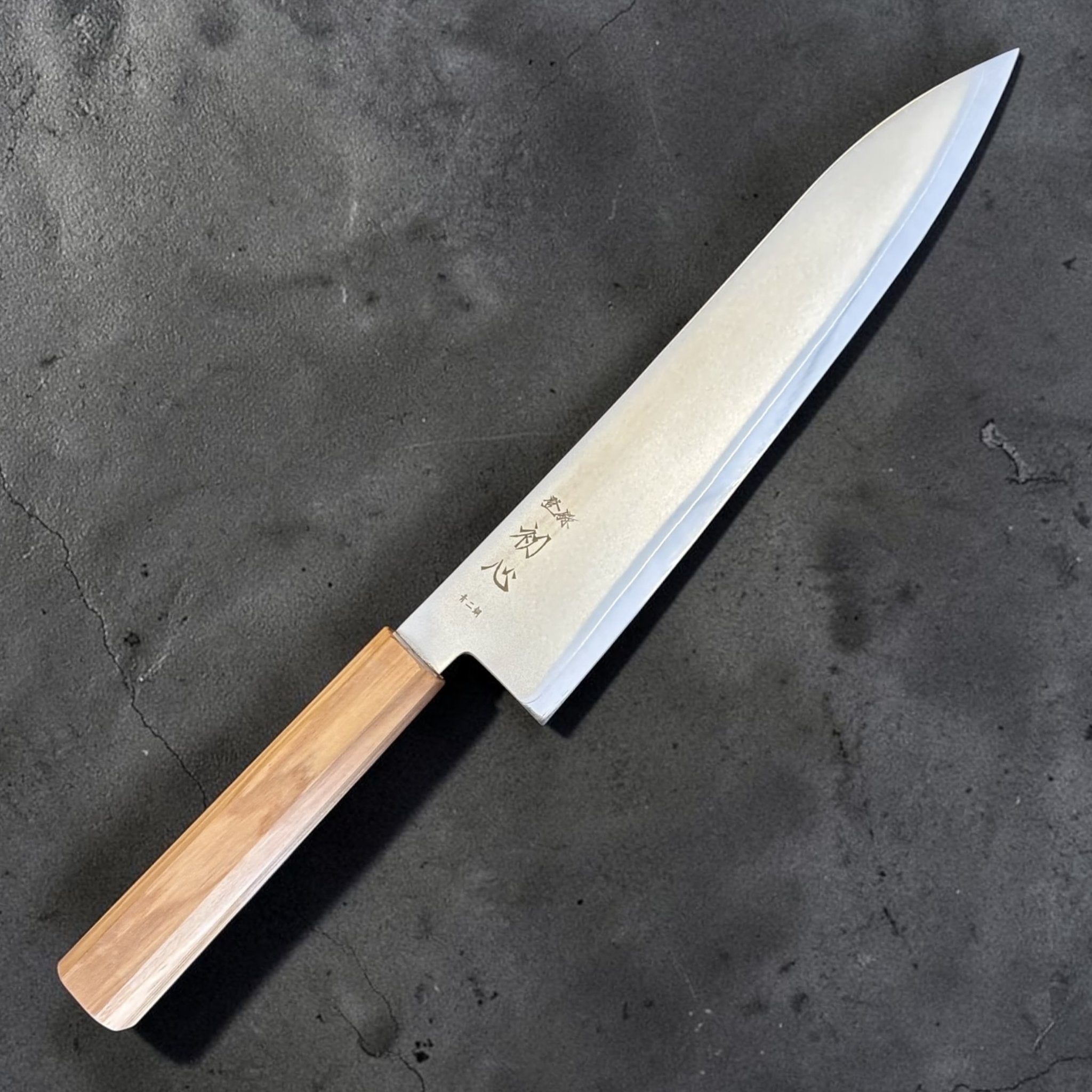
Hatsukokoro Kaijin Blue #2 Gyuto 210mm
Sale price€159,00 EUR
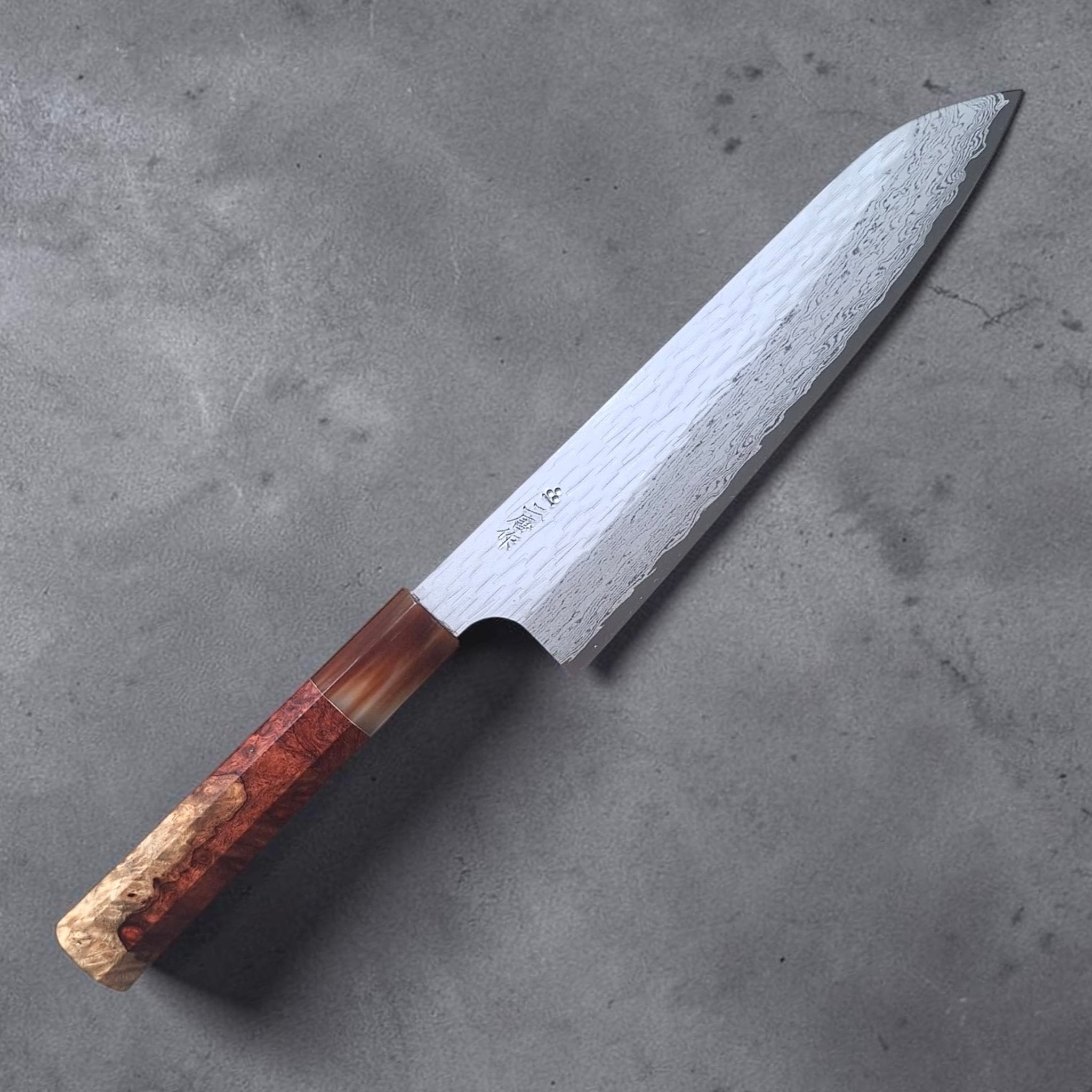
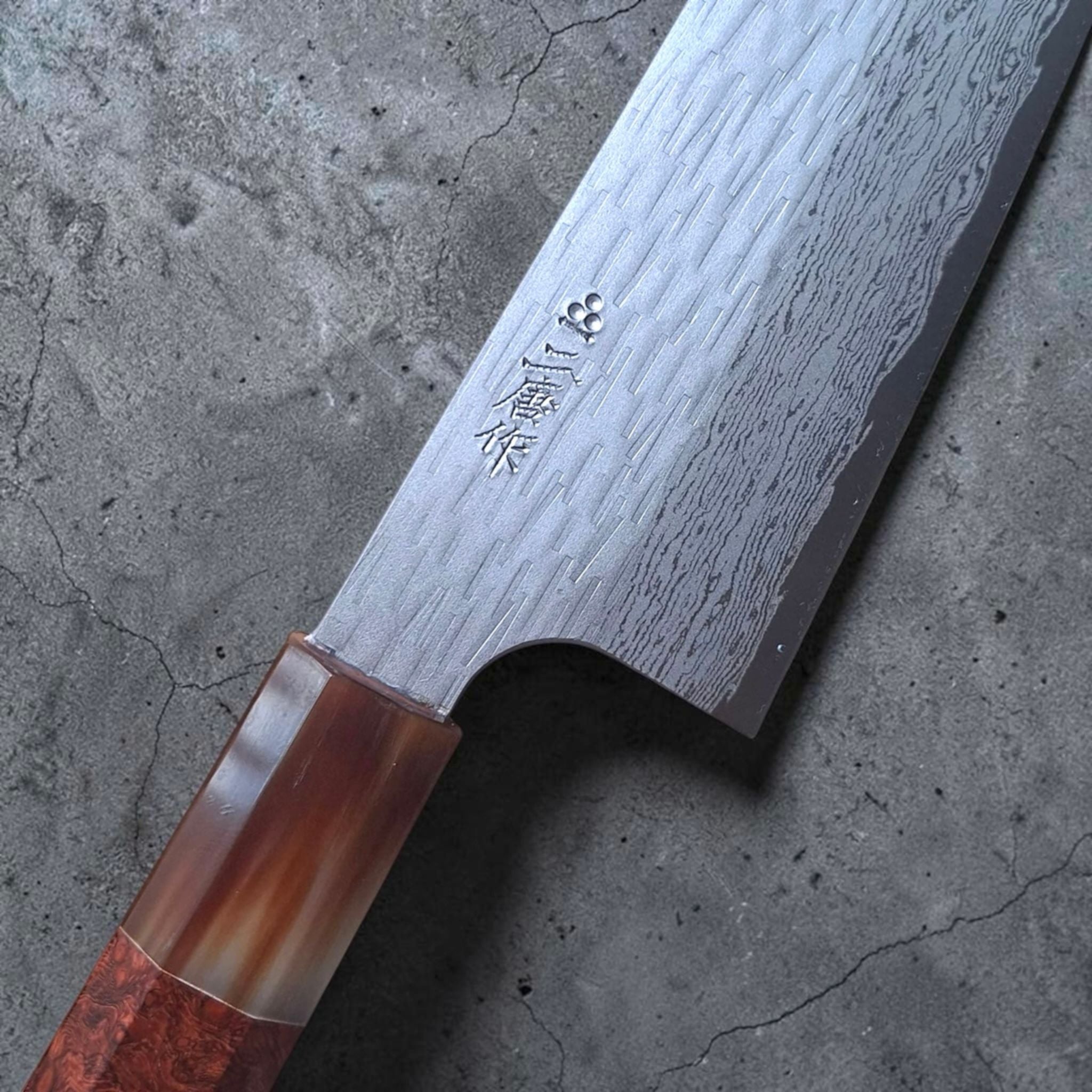
Nigara VG-XEOS Tsuchime Gyuto 210mm (Edge Length 195mm)
Sale priceFrom €395,00 EUR
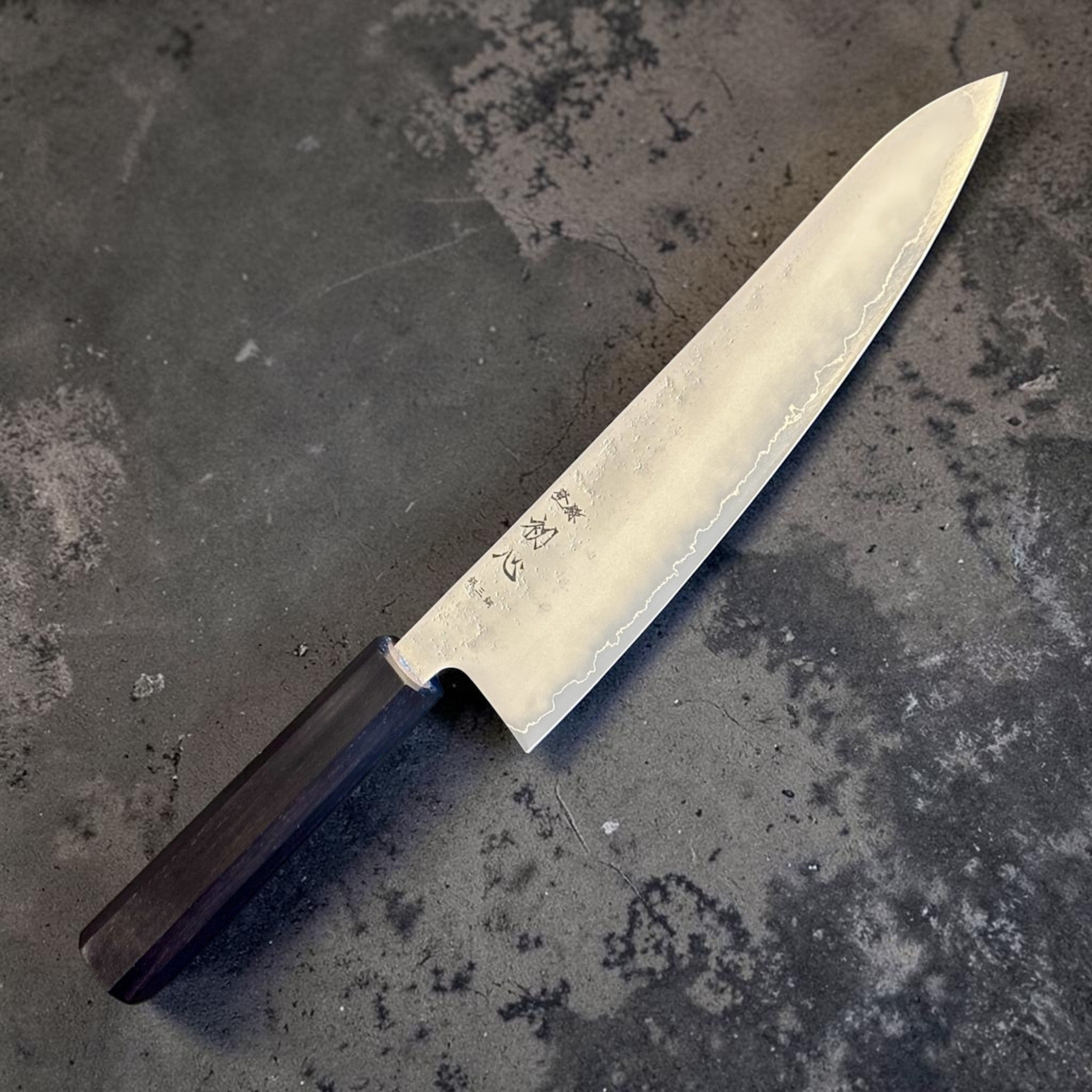
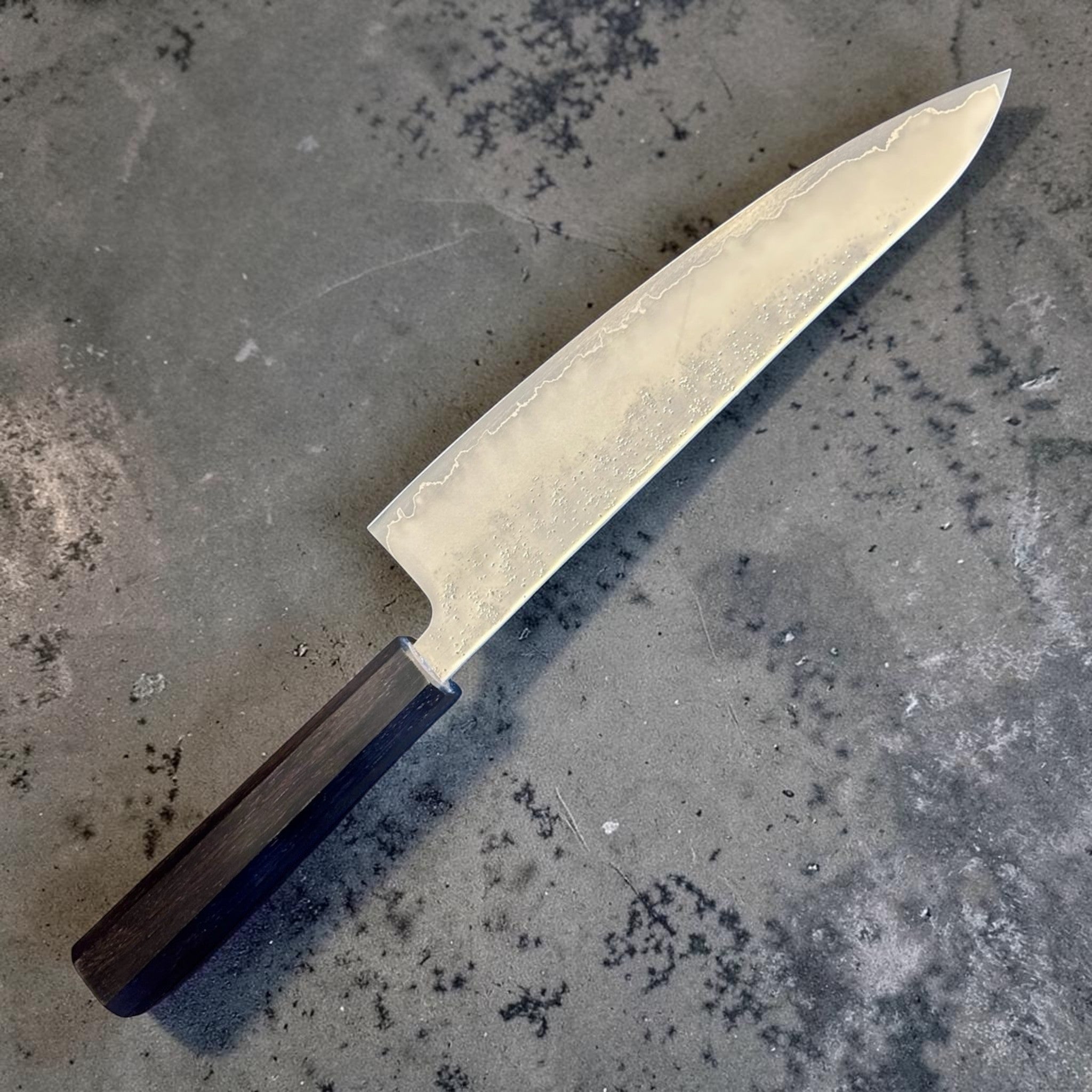
Hatsukokoro Ginrei Silver #3 Gyuto 210mm with Mono Ebony Handle
Sale price€180,00 EUR


Imai AS Kurouchi USA Gyuto 220mm with Sanjo Walnut Handle
Sale price€269,00 EUR
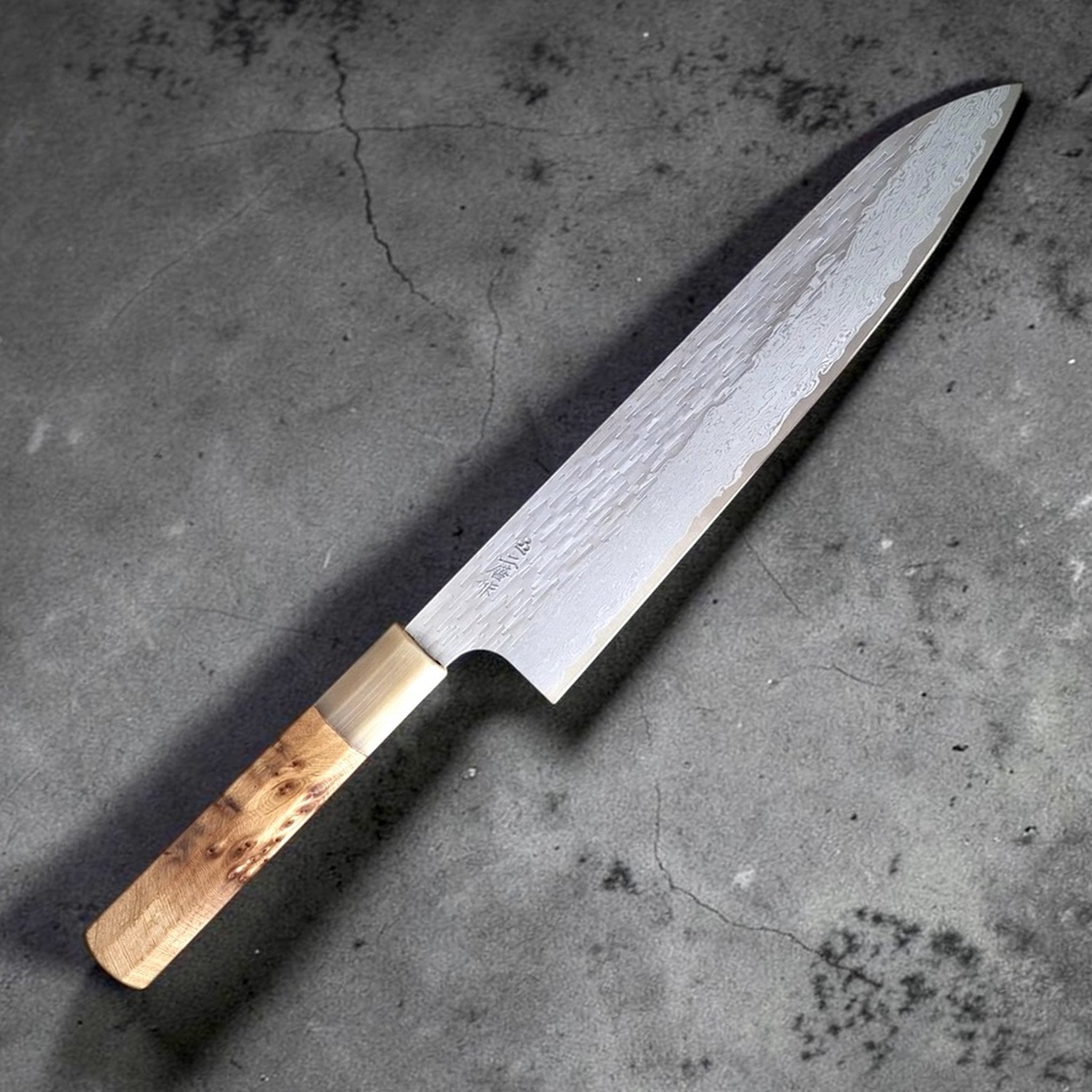
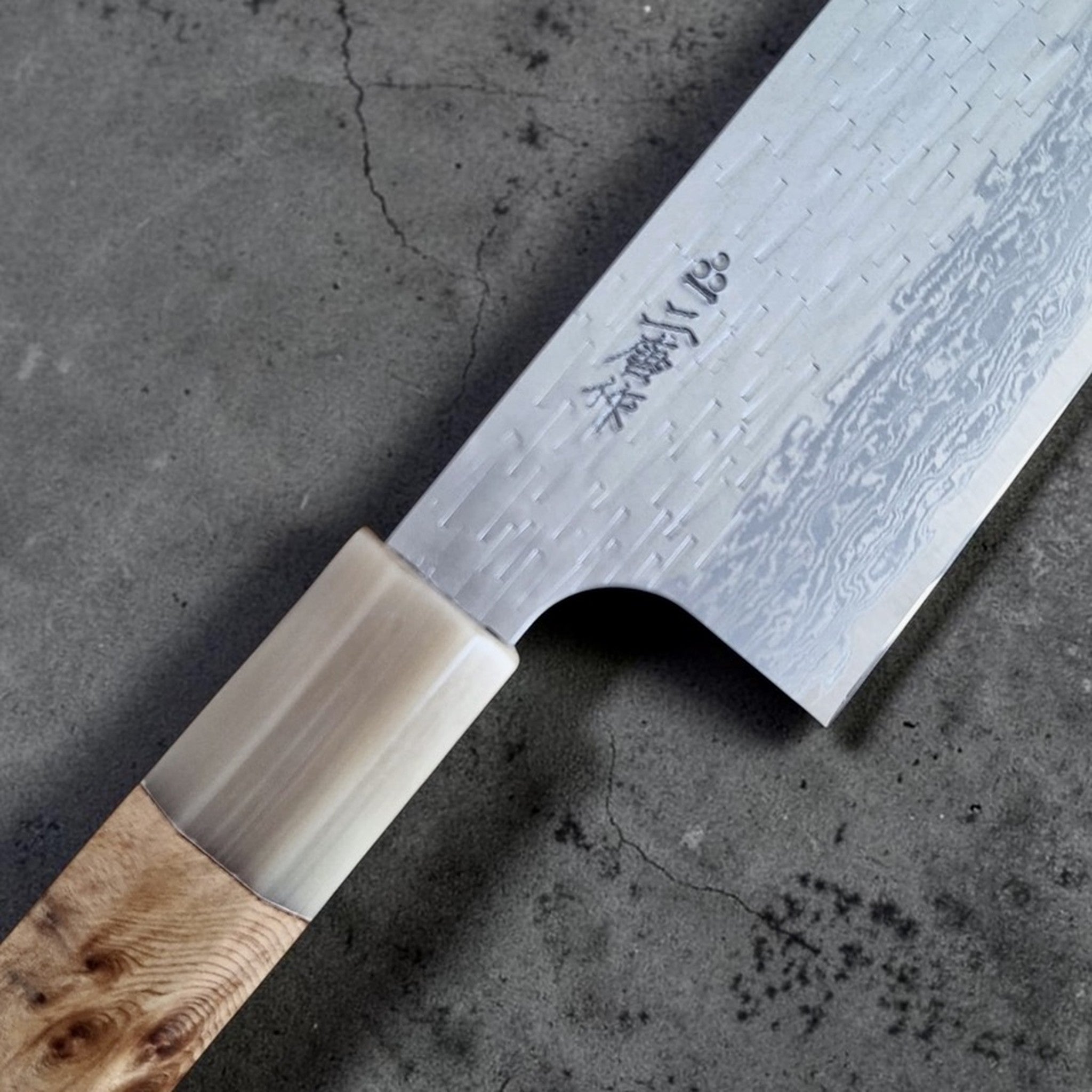
Nigara VG-XEOS Tsuchime Gyuto 240mm (Blade Length 225mm)
Sale priceFrom €395,00 EUR


Tu Nguyen 52100 Rainbow Damascus Kiritsuke Gyuto 210mm with Ebony & Horn Handle
Sale price€395,00 EUR
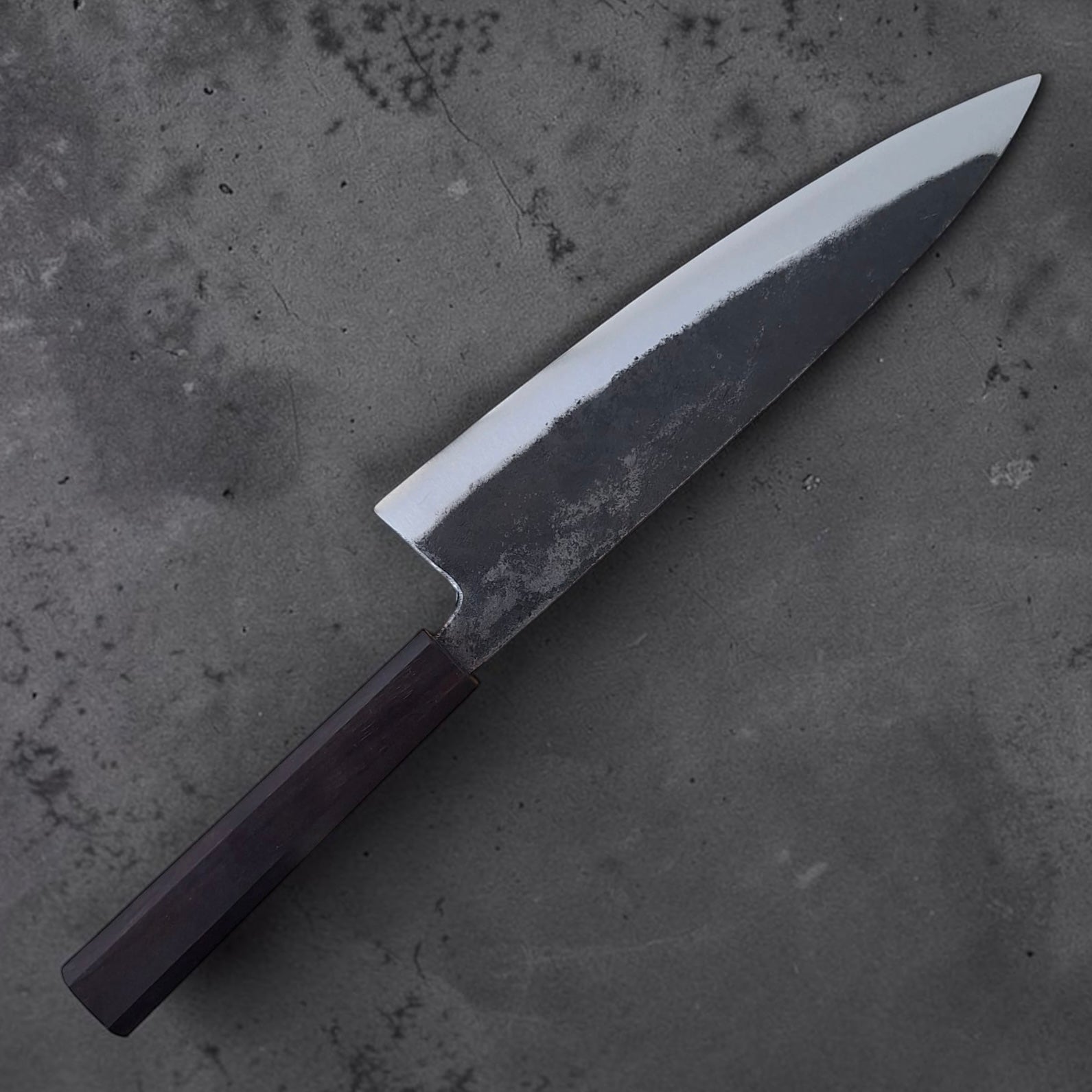
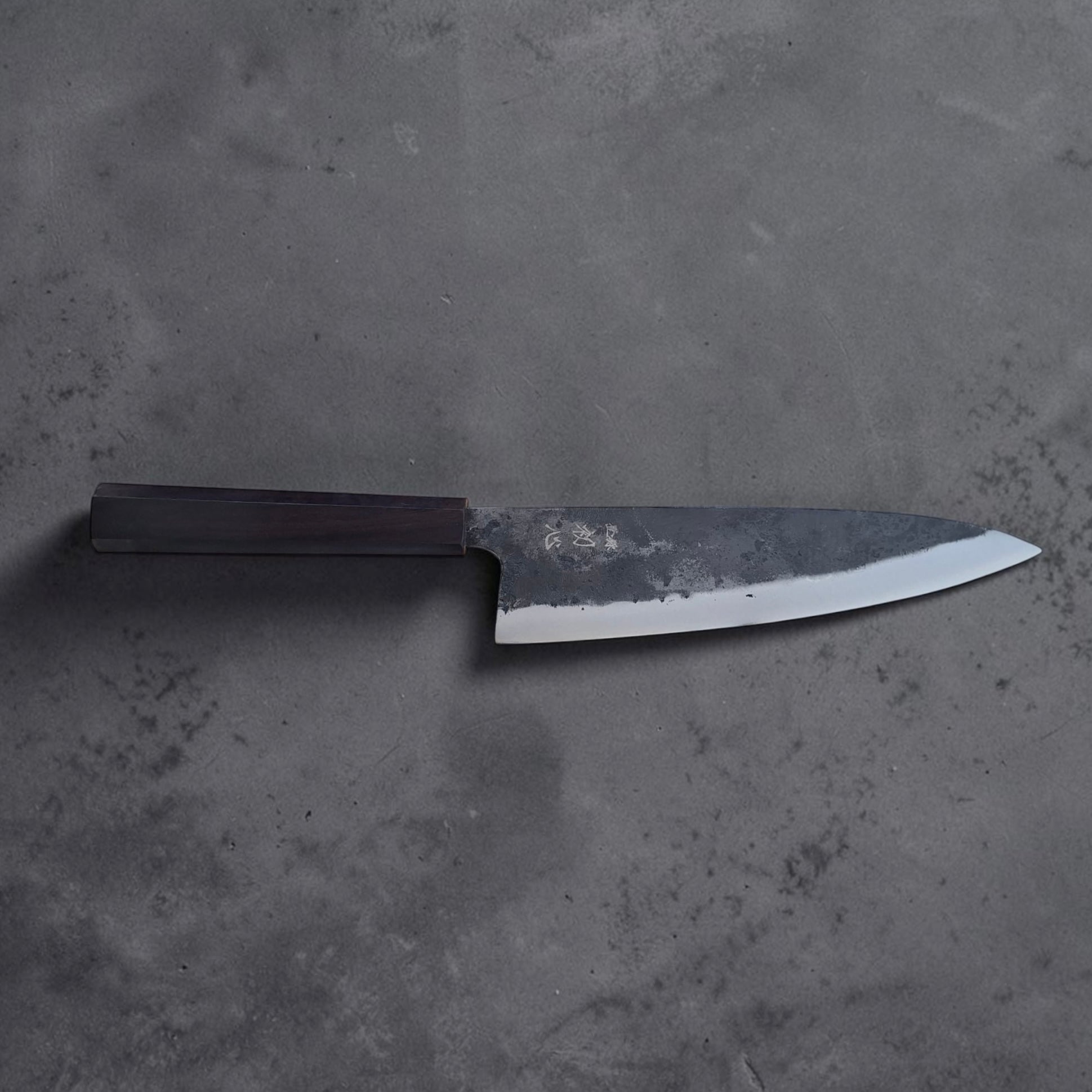
Hatsukokoro Kurogane Blue #2 Kurouchi Gyuto 210mm with Mono Ebony Handle
Sale price€129,00 EUR
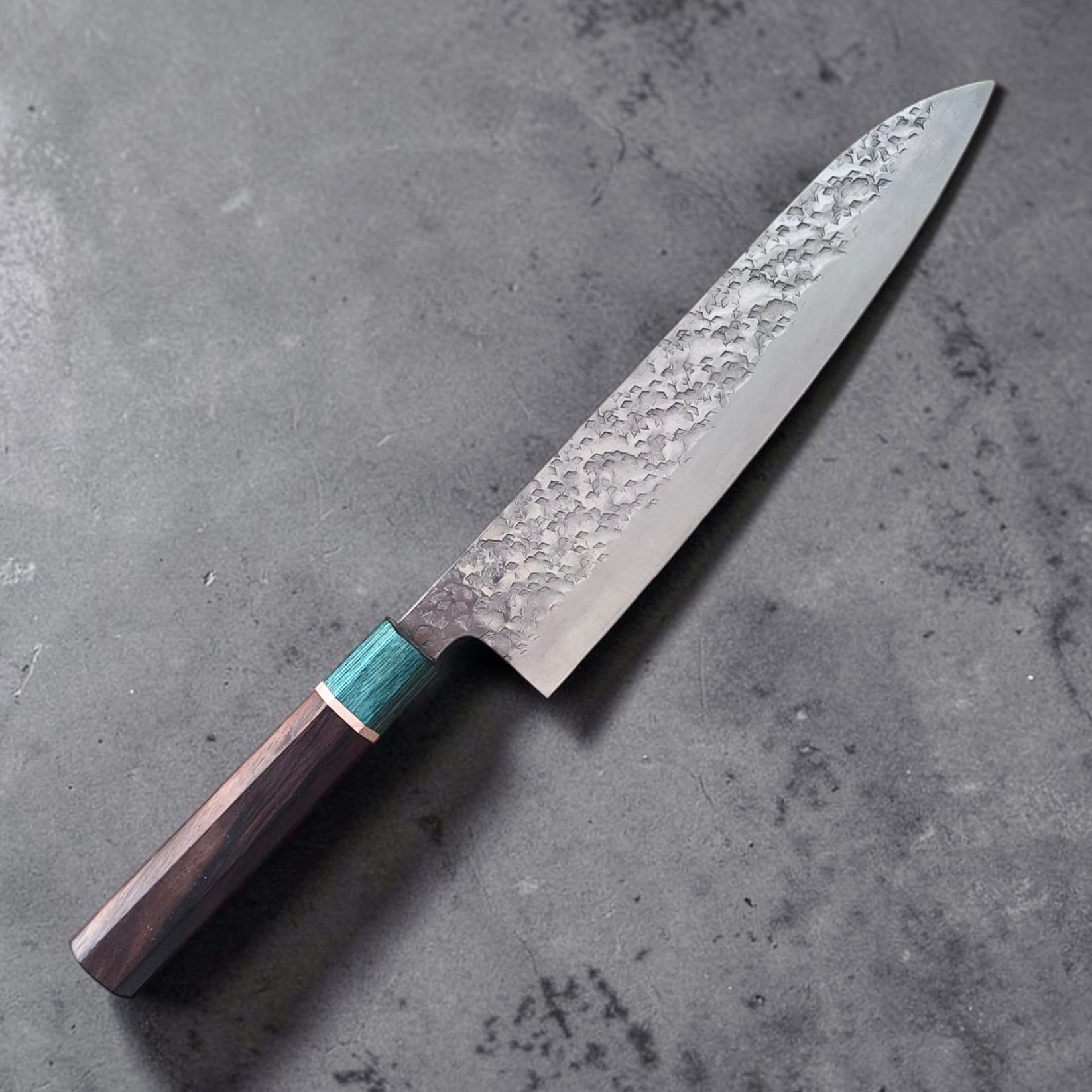
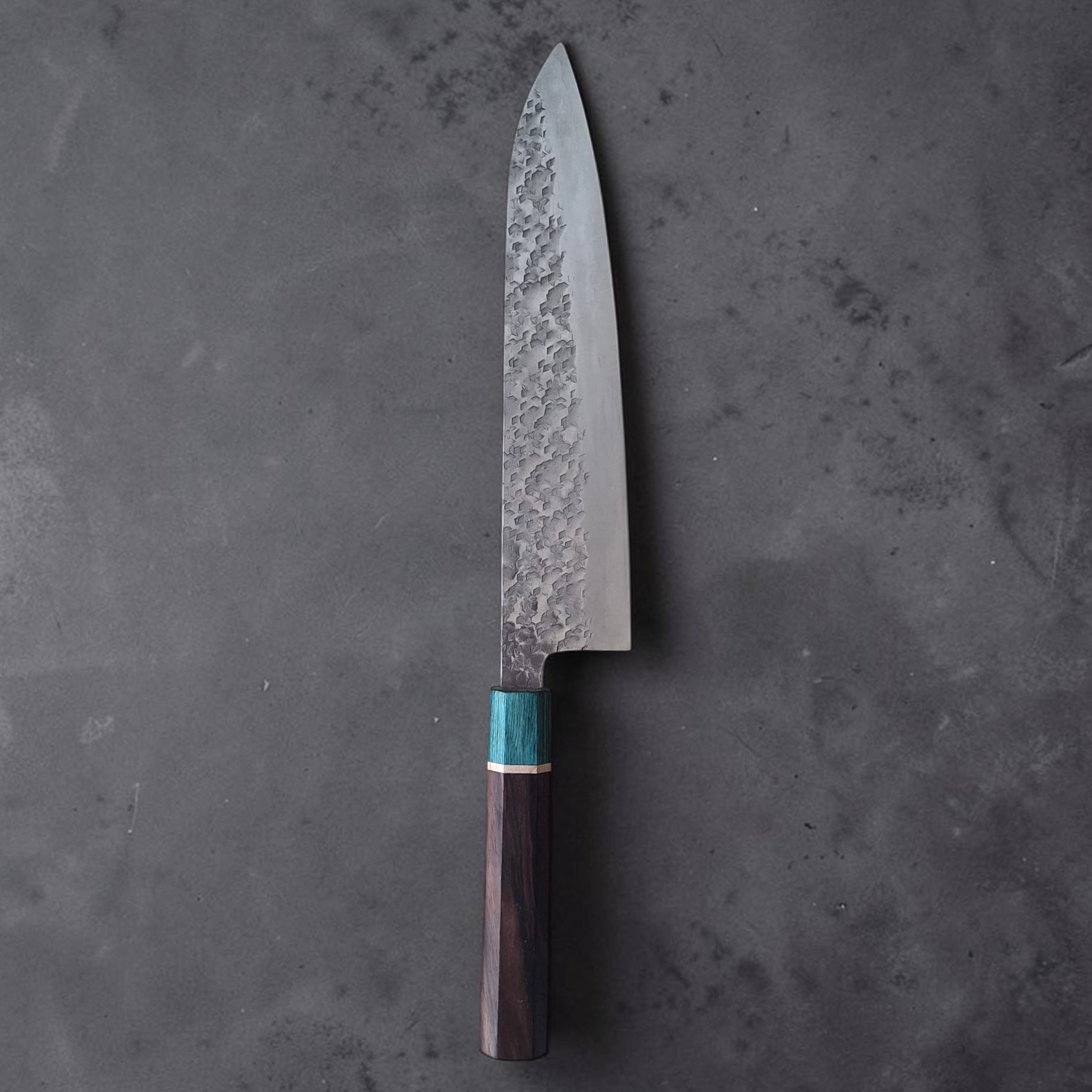
Makoto Kurosaki Samidorizuki SG-STRIX Gyuto 240mm
Sale price€379,00 EUR


Yoshimi Kato SG2 V-Tsuchime Kiritsuke Gyuto 240mm – Ebony Handle
Sale price€429,00 EUR


Yu Kurosaki Kokusen AS Gyuto 210mm with Ebony and Buffalo Horn Handle
Sale price€309,00 EUR


Teruyasu Fujiwara White #1 Nashiji Gyuto 180mm with Magnolia Handle
Sale price€199,00 EUR
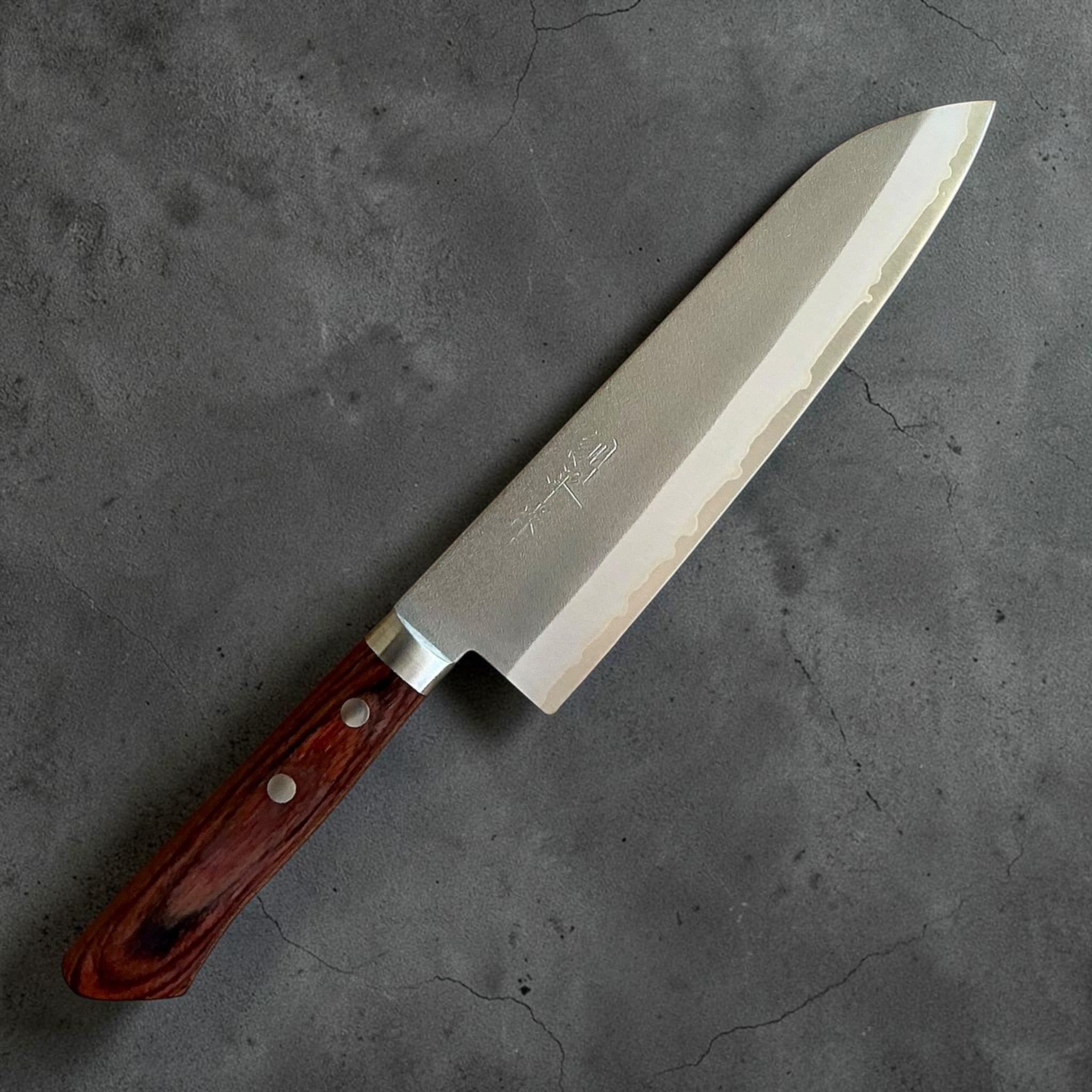
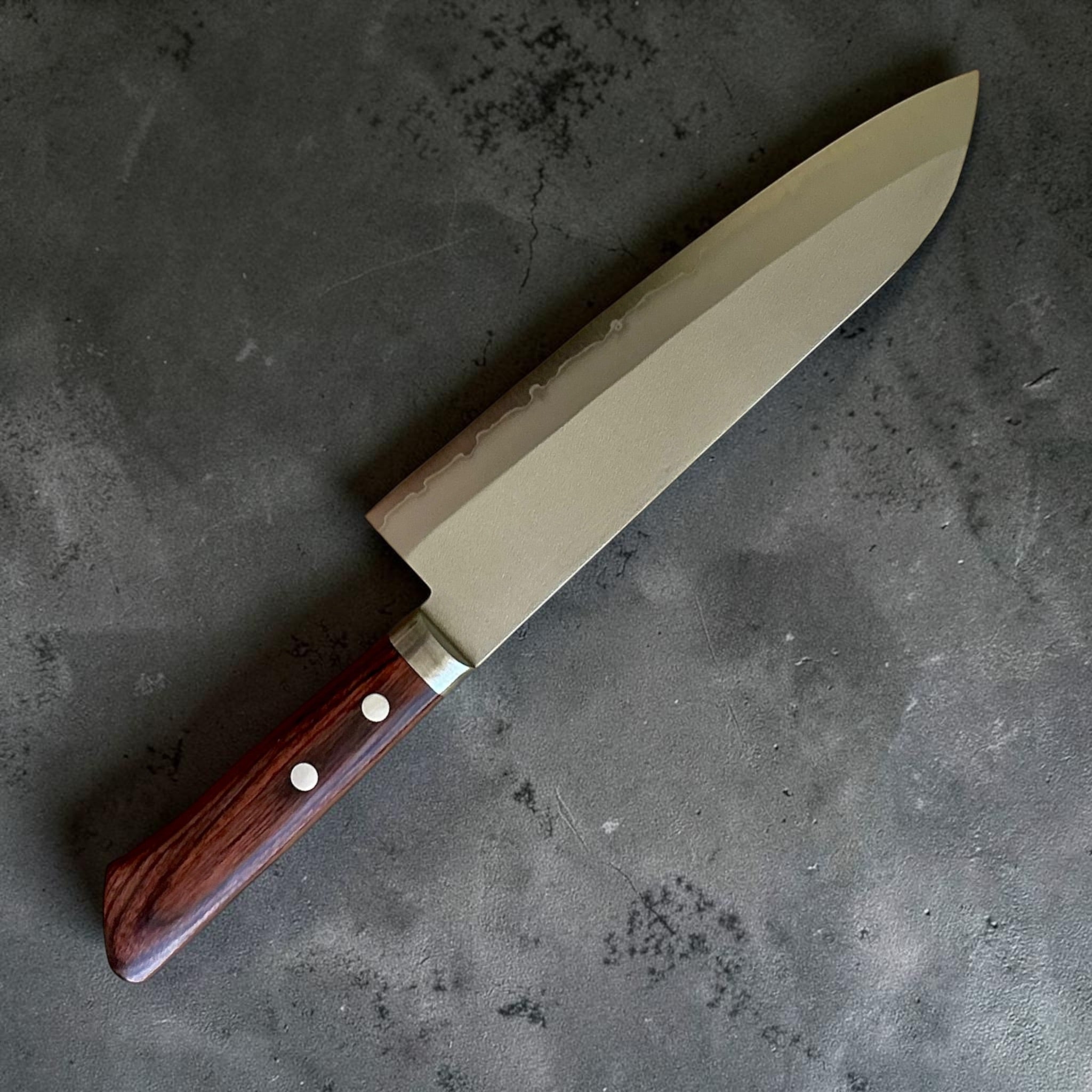
Masutani VG-1 Nashiji Gyuto 180mm with Brown Western Handle
Sale price€119,00 EUR


Takeshi Saji VG-10W Gold Damascus Gyuto 180 mm with Cow Bone Western Handle
Sale price€699,00 EUR


Imai Stainless Clad Aogami Super Kurouchi Gyuto 210mm with Sanjo Walnut Handle
Sale price€269,00 EUR
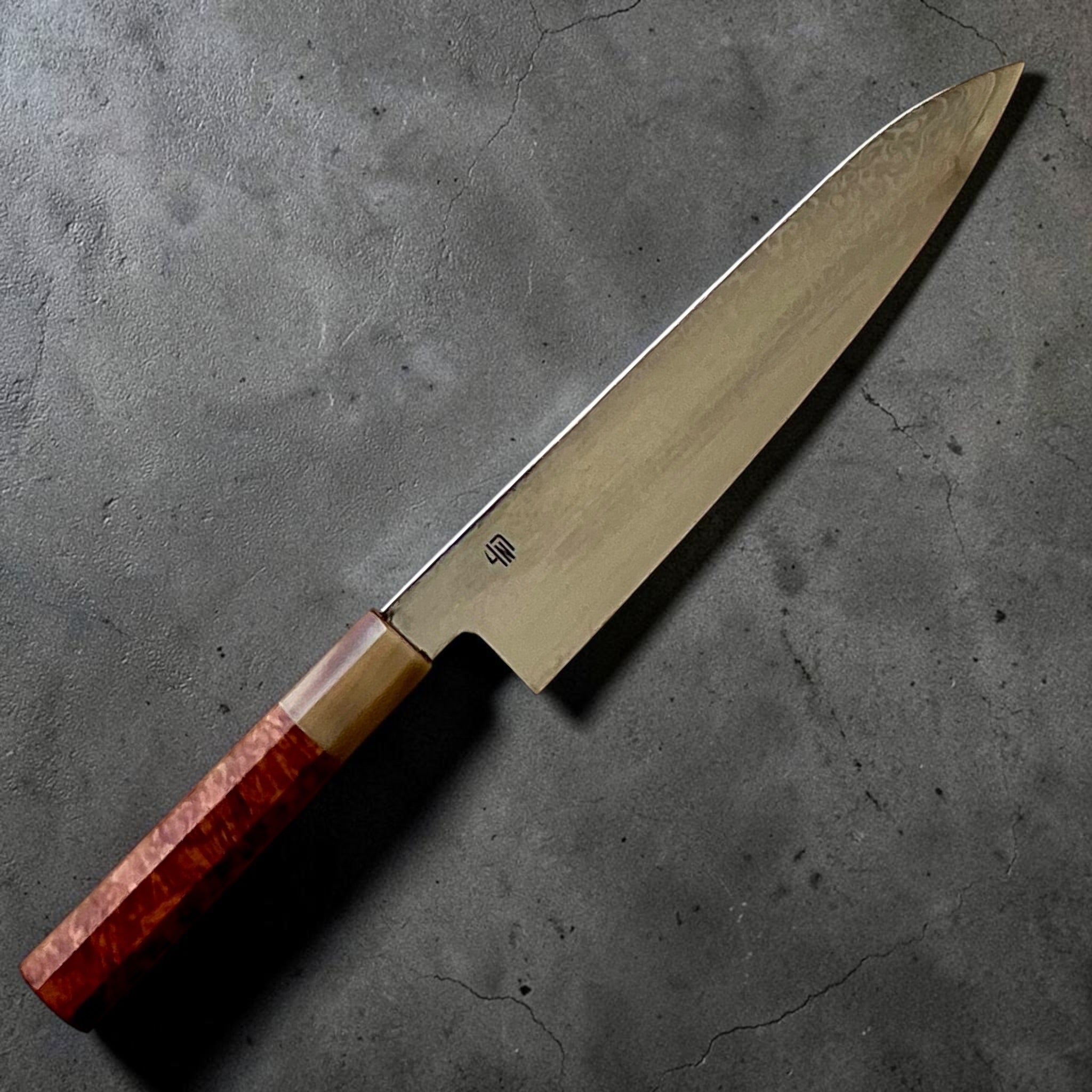
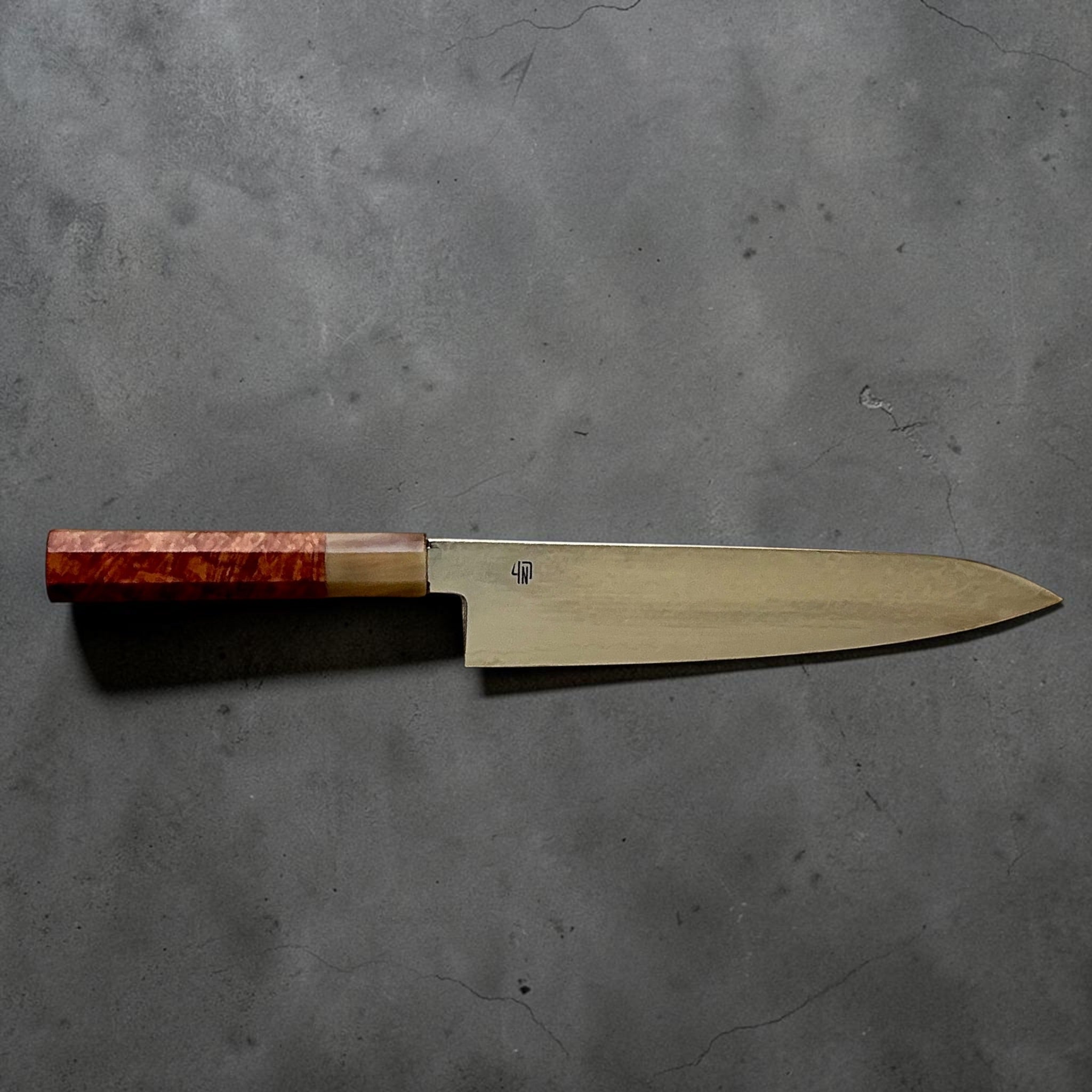
Sakamoto-Ginsan #3 Damascus Gyuto 210mm
Sale price€329,00 EUR
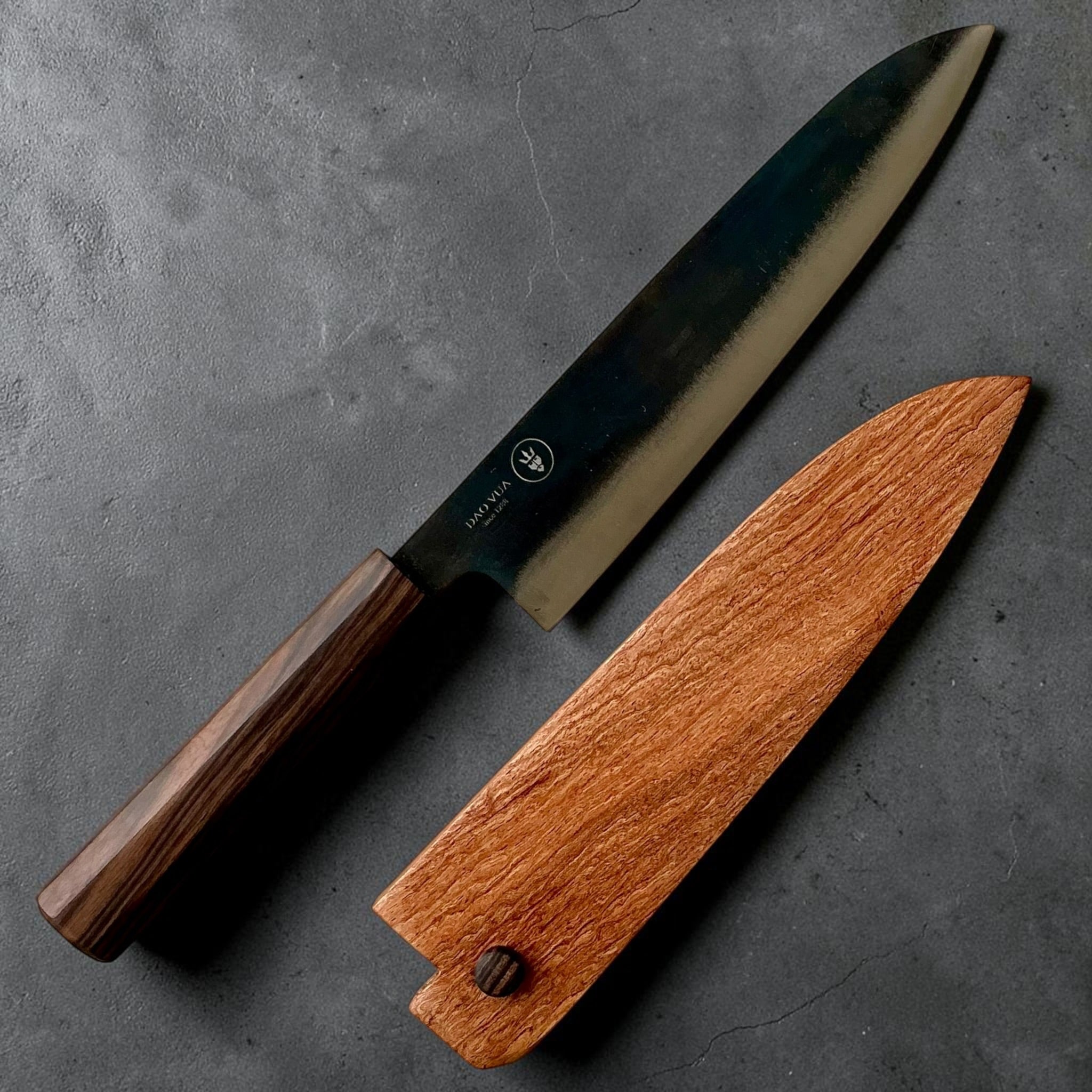
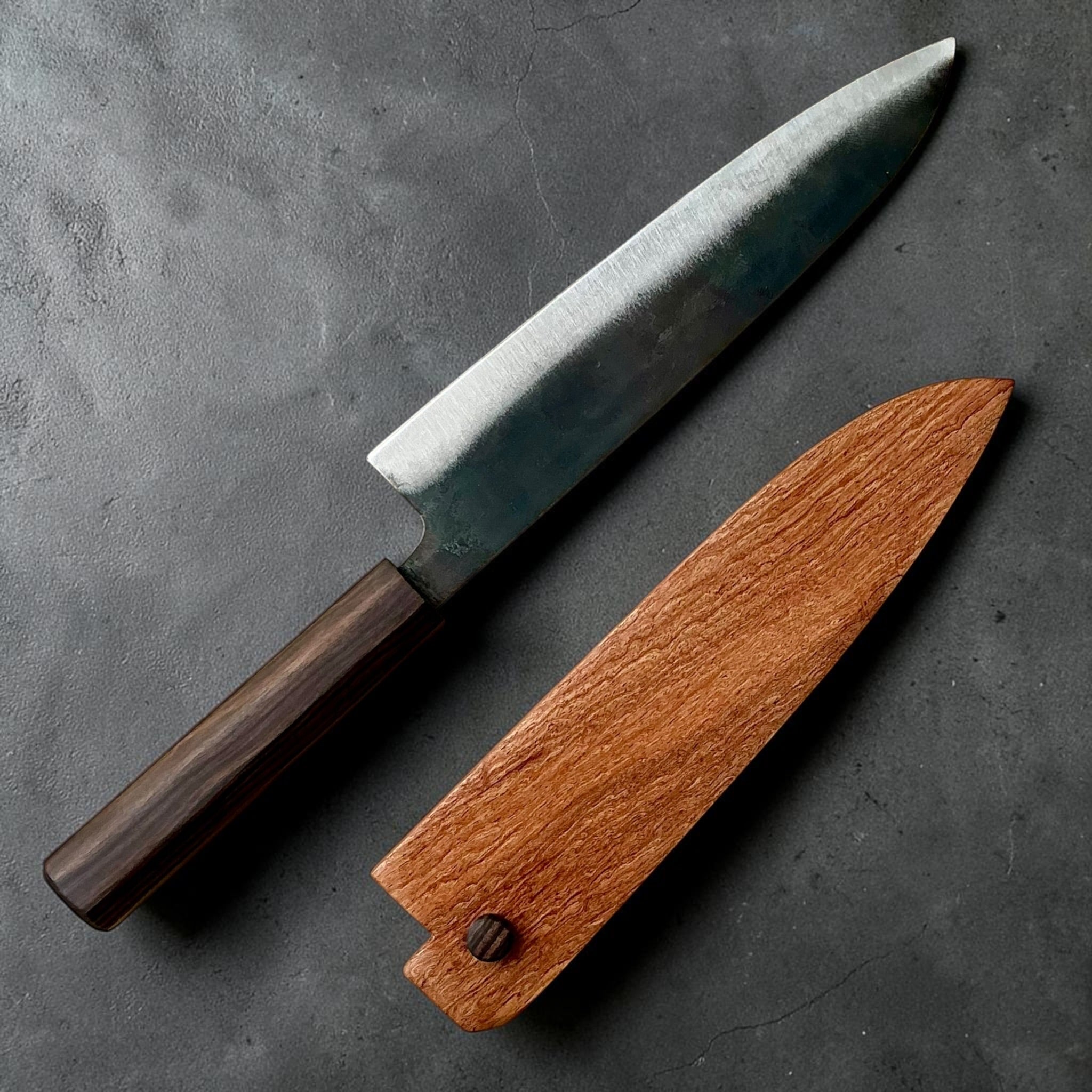
Dao Vua V3 52100 Kurouchi Gyuto 210mm
Sale priceFrom €94,95 EUR
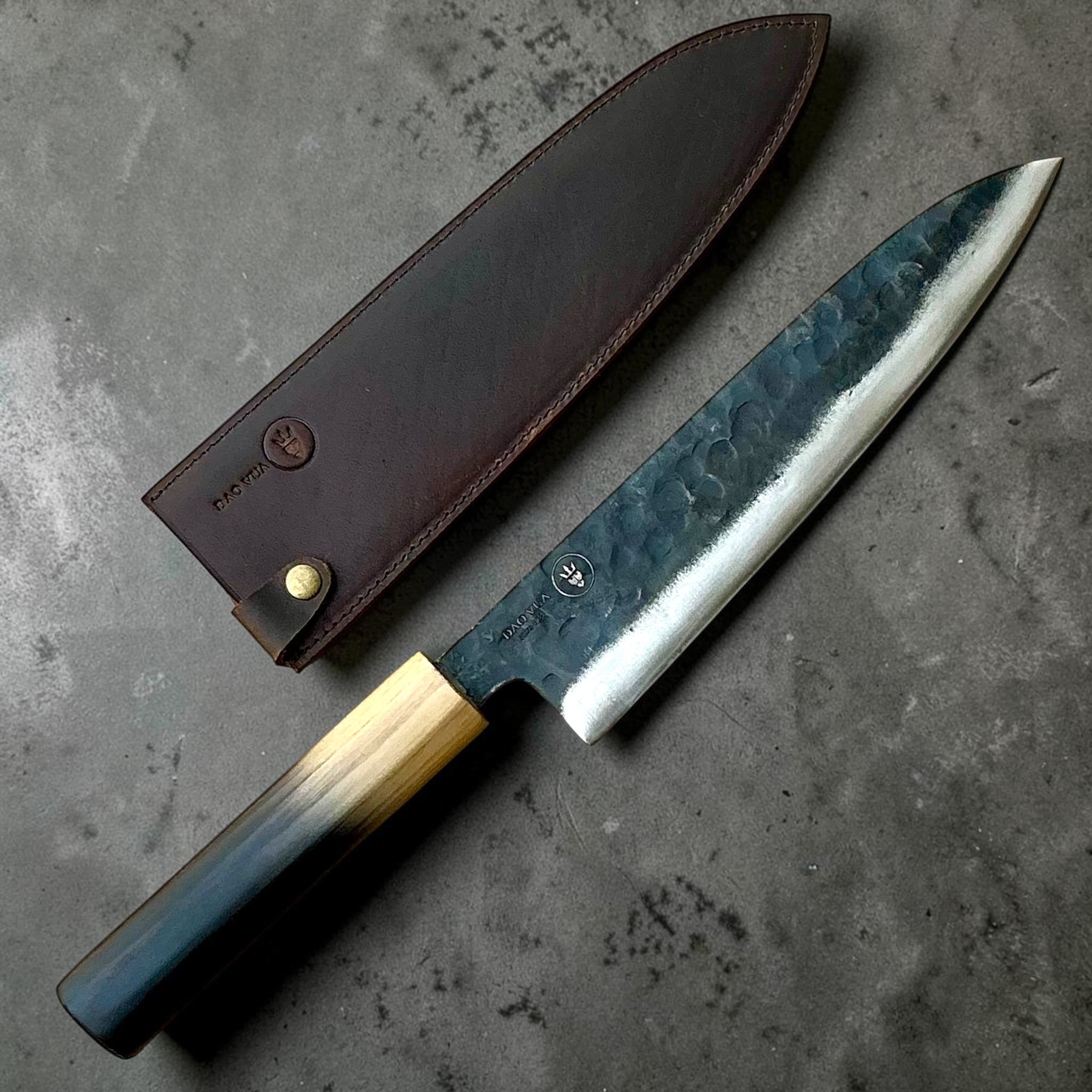
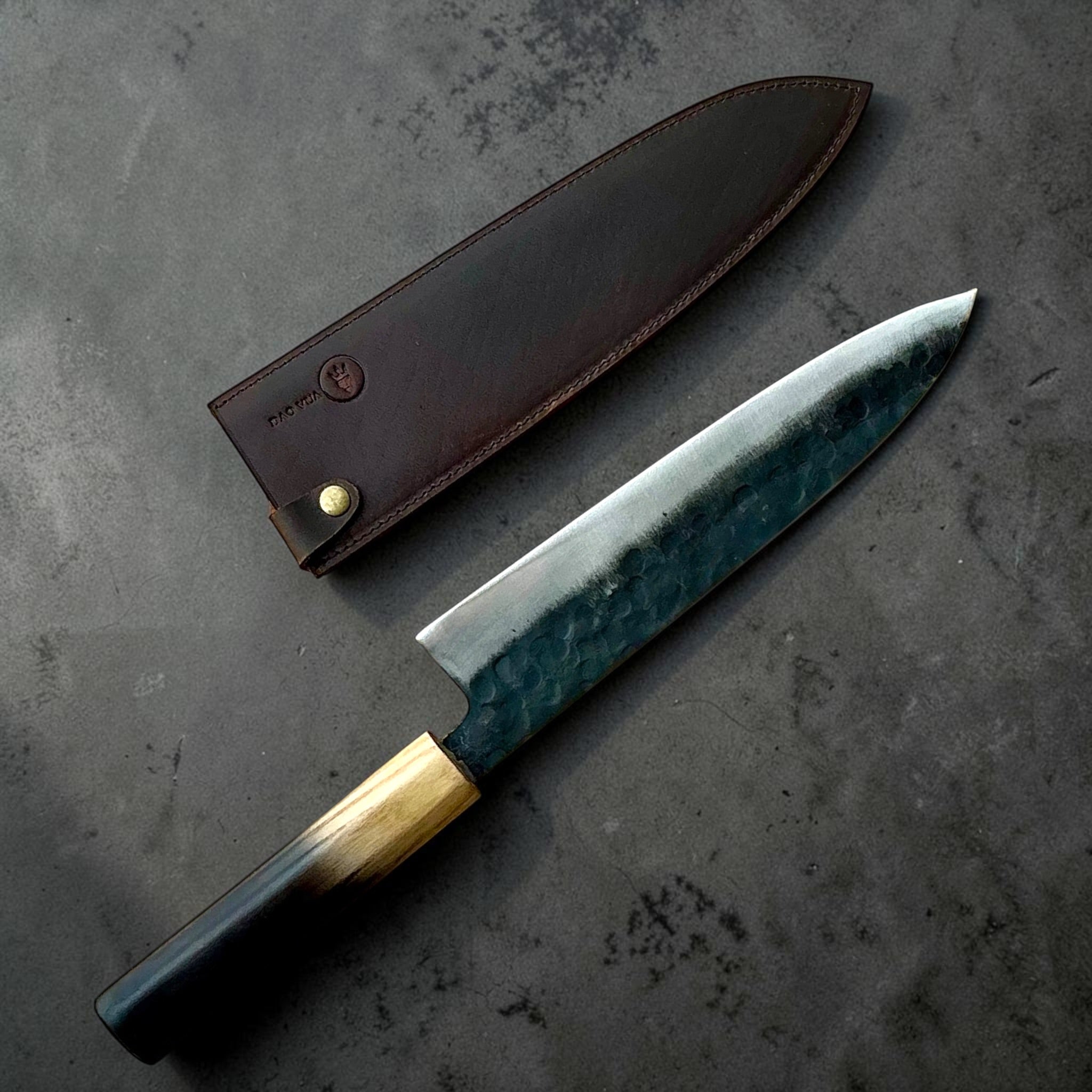
Dao Vua V3 52100 Kuro Tsuchime Gyuto 210mm
Sale priceFrom €104,95 EUR
Gyuto Knives - Hand-Forged Japanese Chef Knives | Tokushu Knife
Japanese Gyuto Knives
The gyuto is the Japanese equivalent of a Western chef knife: a versatile profile for vegetables, herbs, fruit, fish, and boneless proteins. Most home cooks choose a 210mm gyuto, while professionals and cooks who want more reach often prefer 240mm.
How to choose
- 180–210mm: compact, controlled, and suitable for most home kitchens.
- 240mm and above: more board coverage and smoother long slicing strokes.
- Stainless steel: simpler daily maintenance and strong corrosion resistance.
- Carbon steel: responsive sharpening and a keen edge, with prompt washing and drying required.
- Workhorse grind: more substantial feel and often stronger food release.
- Laser grind: very thin geometry and low cutting resistance, requiring careful technique.
Care
Hand wash and dry immediately. Do not use Japanese gyuto knives on bones, frozen food, glass, stone, ceramic, or metal cutting surfaces. Use a quality wooden or soft synthetic board and avoid twisting or scraping with the cutting edge.
Browse the live products below for exact measurements, steel, maker, handle, price, and availability. Need guidance? Contact us.